


Introduction
Digital marketing has moved far beyond the era of linear customer journeys. Consumers no longer follow a predictable path from awareness to purchase. Instead, they jump between platforms, devices, and content formats in seconds. A search on mobile, a scroll through social media, a quick comparison on a marketplace, and a delayed checkout later in the day—modern behavior is fragmented, nonlinear, and highly situational.
This is where micro-moments come in. Originally defined as intent-rich instances when users turn to a device for immediate answers, micro-moments have evolved. In today’s environment, we are entering what can be called Micro-Moments 2.0: a more complex, multi-channel, and emotionally driven version of real-time consumer intent.
The Evolution from Micro-Moments to Micro-Moments 2.0
The first generation of micro-moments focused on four categories: I want to know, I want to go, I want to do, and I want to buy. While useful, this framework assumes relatively structured intent.
Micro-Moments 2.0 reflects a different reality. Intent is no longer stable or easily categorized. A user may begin with curiosity, shift to comparison shopping, abandon the process, and return hours later from a completely different platform.
This fragmentation is driven by:
- Multi-device usage across mobile, desktop, and apps
- Algorithm-driven content feeds that interrupt intent
- Short attention spans shaped by infinite scrolling environments
- Increased competition for every second of user attention
As a result, intent must now be captured dynamically rather than statically.
The Fragmented Channel Problem
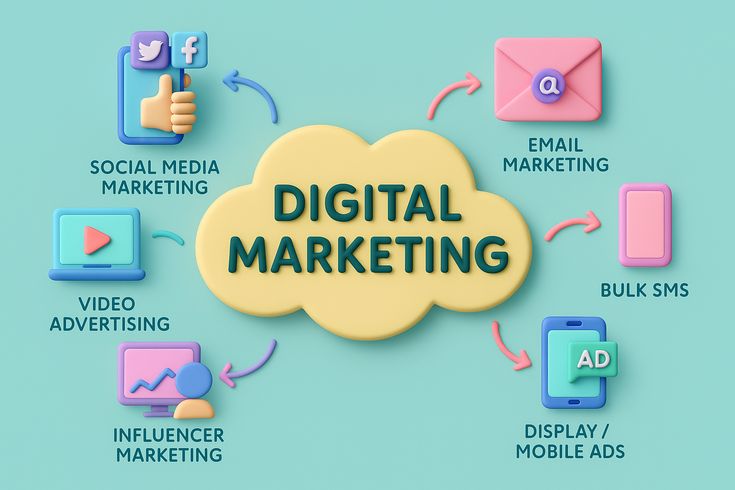
One of the biggest challenges in modern digital marketing is channel fragmentation. Consumers interact with brands across search engines, social platforms, email, video platforms, marketplaces, and even offline touchpoints.
Each channel captures only a small piece of the intent puzzle. No single platform has a complete view of the customer journey anymore.
For example, a user might discover a product through social content, research it later through search, compare alternatives on a review site, and finally purchase through a retargeted ad. Each step is disconnected, yet part of the same underlying intent cycle.
This makes traditional funnel thinking increasingly outdated.
Why Intent Is Now Ephemeral
In Micro-Moments 2.0, intent is not just fragmented—it is also temporary. A user’s desire to act can appear and disappear within minutes.
This is influenced by:
- Content overload competing for attention
- Algorithmic distractions interrupting decision-making
- Constant switching between entertainment and utility behaviors
- Reduced patience for complex or slow experiences
Marketers must therefore act quickly, or risk losing intent entirely.
Capturing attention at the exact moment of need is no longer enough. The real challenge is sustaining relevance across multiple reappearances of intent.
The Role of Contextual Intelligence
To succeed in this environment, brands must rely on contextual intelligence rather than static targeting. This means understanding not just who the user is, but what situation they are in at a specific moment.
Contextual signals include:
- Device type and usage behavior
- Time of interaction
- Content being consumed immediately before engagement
- Platform-specific behavior patterns
Instead of relying on long-term profiles alone, marketers must interpret micro-signals in real time.
This is where advanced content ecosystems become important. Even platforms that appear unrelated, such as noodle magazin style discovery environments, highlight how users shift rapidly between curiosity-driven exploration and intent-driven action.
Content as an Intent Capture Mechanism
In Micro-Moments 2.0, content is no longer just informational—it is functional. It must respond to intent instantly and guide users toward action without friction.
Effective micro-moment content is:
- Fast-loading and mobile-optimized
- Directly aligned with immediate user intent
- Structured for quick scanning and decision-making
- Integrated with clear next steps
Long-form persuasion is giving way to micro-responses that match micro-attention spans.
The Importance of Distribution Timing
Even the best content fails if delivered at the wrong time. Timing is now a critical variable in intent capture.
This is where strategic amplification becomes essential. Techniques such as guestpostoutreach help distribute content across relevant ecosystems, ensuring it appears closer to the moment intent is formed.
However, distribution alone is not enough. Content must also be designed to re-engage users as they move between fragmented touchpoints.
Reconnecting the Fragmented Journey
To effectively operate in Micro-Moments 2.0, brands must shift from linear funnels to intent ecosystems. Instead of guiding users step-by-step, marketers must create interconnected touchpoints that can re-engage users wherever they reappear.
This requires:
- Unified messaging across channels
- Persistent personalization across sessions
- Seamless transition between discovery and conversion points
- Continuous reinforcement of value propositions
The goal is not to control the journey, but to stay relevant throughout its fragmentation.
Conclusion
Micro-Moments 2.0 reflects the reality of modern digital behavior: fast, fragmented, and constantly shifting. Consumer intent is no longer a stable path but a series of fleeting signals spread across multiple platforms.
Winning in this environment requires more than targeting. It requires timing, context, and adaptability.
Brands that succeed will not be the ones that capture intent once, but the ones that can repeatedly recognize and respond to it—no matter where or when it appears.
