


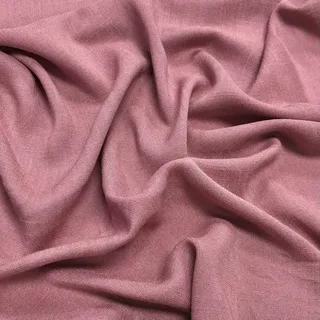
Viscose is a versatile fabric found in everything from flowing dresses to soft blouses. It’s often praised for its silk-like feel and affordable price point, making it a popular choice for designers and consumers. Despite its widespread use, many people aren’t sure what viscose actually is. Is it a natural fiber or a synthetic one? How is it made, and what makes it different from other materials?
This guide provides a straightforward look at viscose fabric. We will cover its origins, how it’s produced, and its main characteristics. You will learn about the different types of viscose, how it compares to fabrics like cotton and silk, and the best ways to care for it. We will also touch on sustainable options available in the market. By the end, you’ll have a clear understanding of viscose and its place in the textile world. For those looking to source high-quality fabrics, Fabriclore Pvt Ltd offers a wide selection of viscose and other materials, available through both local and online stores.
What is Viscose?
Viscose is a semi-synthetic fabric made from regenerated cellulose fiber. Its primary source is wood pulp, typically from fast-growing trees like pine, beech, and eucalyptus, or from bamboo. Because it originates from a natural, renewable resource, it is not a fully synthetic fabric like polyester or nylon, which are derived from petroleum.
The material gets its name from the production process, which involves treating the wood pulp with chemicals to create a viscous, honey-like liquid. This liquid is then spun into fibers that can be woven or knit into fabric. The result is a material that drapes beautifully and has a smooth, soft texture, often earning it the nickname “artificial silk.”
The Viscose Production Process
Making viscose is a multi-step process that transforms solid wood pulp into soft, wearable fibers. Here’s a breakdown of how it’s done:
- Cellulose Extraction: The process starts with harvesting wood, which is then broken down into small chips. These chips are treated with chemicals to dissolve the wood pulp, removing impurities and isolating the cellulose.
- Conversion to Alkali Cellulose: The purified cellulose is steeped in a sodium hydroxide (caustic soda) solution. This step converts the cellulose into alkali cellulose, which prepares it for the next stage.
- Shredding and Aging: The alkali cellulose sheets are shredded into a fluffy white substance called “white crumb.” This crumb is then aged under controlled temperature and humidity for several days, which helps break down the long polymer chains of the cellulose.
- Xanthation: The aged crumb is mixed with carbon disulfide in a large, rotating drum. This chemical reaction, known as xanthation, transforms the white crumb into a yellow-orange substance called sodium cellulose xanthate.
- Ripening: The sodium cellulose xanthate is dissolved in a weak solution of caustic soda, creating a thick, viscous, honey-colored liquid. This is the “viscose” solution that gives the fabric its name. The solution is filtered to remove any undissolved particles and then left to ripen for a period, allowing it to mature to the right consistency for spinning.
- Spinning the Fibers: The ripened viscose solution is forced through a spinneret—a device with many tiny holes—directly into a bath of sulfuric acid. The acid solidifies the solution, regenerating the cellulose and forming it into fine filaments.
- Finishing: These newly formed filaments are drawn, washed, and cut into staple fibers or spun into continuous filament yarn. The yarn is then ready to be woven or knitted into viscose fabric.
Characteristics of Viscose
Viscose is valued for a combination of qualities that make it suitable for a wide range of applications.
- Soft and Comfortable: Viscose has a smooth, silk-like feel against the skin, making it very comfortable to wear.
- Breathable: Like other cellulose-based fibers such as cotton and linen, viscose is breathable. This allows air to circulate and moisture to escape, keeping you cool and comfortable, especially in warm weather.
- Highly Absorbent: The fabric absorbs moisture and sweat well, which contributes to its comfort. It also allows it to be dyed in deep, vibrant colors.
- Excellent Drape: Viscose hangs beautifully, making it an excellent choice for garments that require a fluid, flowing silhouette, such as dresses, skirts, and blouses.
- Affordable: It offers a luxurious appearance and feel at a much lower price point than silk, making it an accessible alternative.
- Versatile: Viscose can be blended with other fibers like cotton, polyester, and spandex to enhance its properties, such as adding strength or stretch.
However, it’s also important to note that standard viscose can be weak when wet and is prone to shrinking and wrinkling.
Types of Viscose
Several variations of viscose have been developed over time, each with distinct properties and uses.
- Modal: Modal is a high-wet-modulus (HWM) type of rayon. It is known for its exceptional softness and strength, even when wet. It resists shrinking and fading, making it a popular choice for underwear, pajamas, and bedsheets.
- Lyocell: Often known by its brand name Tencel, lyocell is produced using a closed-loop process that recycles over 99% of the solvents. This makes it a more environmentally friendly option. Lyocell is strong, soft, and less prone to wrinkling than standard viscose.
- Cupro: Cupro is made from cotton linter—the fine, silky fibers that stick to cottonseed after ginning. It is produced in a similar closed-loop process to lyocell and is known for its fine, sheer, and silk-like qualities.
Viscose vs. Other Fabrics
How does viscose stack up against more familiar materials like cotton and silk?
Viscose vs. Cotton
Both viscose and cotton are made from cellulose, making them breathable and absorbent. Cotton is generally stronger and more durable, especially when wet, and it is less likely to shrink. Viscose, on the other hand, typically has a better drape and a more lustrous, silkier feel. The choice between them often comes down to the desired texture and appearance.
Viscose vs. Silk
Viscose was originally created as an affordable substitute for silk, and it mimics silk’s softness and drape well. However, silk is a natural protein fiber and is much stronger and more durable. Silk also has natural temperature-regulating properties that viscose does not fully replicate. The primary advantage of viscose over silk is its significantly lower cost.
Caring for Viscose Garments
Proper care is essential to maintain the appearance and longevity of viscose clothing.
- Washing: Always check the care label. Many viscose garments require hand washing in cold water or machine washing on a delicate cycle. Using a mild detergent is recommended.
- Drying: Avoid putting viscose in the dryer, as high heat can cause it to shrink. Instead, gently squeeze out excess water (do not wring) and lay the garment flat or hang it to air dry, away from direct sunlight.
- Ironing: Viscose wrinkles easily. Iron on a low to medium setting, preferably while the fabric is still slightly damp. Ironing on the reverse side can help protect its sheen.
Sustainable Viscose Options
The environmental impact of standard viscose production has been a concern due to chemical use and deforestation. In response, more sustainable options have become available. Brands like Lenzing produce Tencel Lyocell and Modal fibers using wood from responsibly managed forests and a closed-loop manufacturing process that minimizes chemical waste. When shopping for viscose, look for certifications such as the Forest Stewardship Council (FSC) to ensure the raw material is sustainably sourced.
Leading suppliers like Fabriclore Pvt Ltd offer a range of these eco-friendly materials, providing fashion brands with responsible choices for their collections.
A Versatile and Accessible Fabric Choice
Viscose is a compelling fabric that bridges the gap between natural and synthetic materials. Its combination of softness, breathability, and excellent drape, all at an accessible price, ensures its continued popularity in the fashion industry. While it requires gentle care, its versatility makes it suitable for a wide array of clothing. With the growing availability of more sustainable production methods, viscose is set to remain a key player in textiles for years to come.
Fabriclore highlights four main types of viscose fabric weaves on this page: Plain Weave Viscose, Twill Weave Viscose, Satin Weave Viscose, and Jacquard Weave Viscose. Plain weave viscose is described as simple, sturdy, and versatile for everyday clothing and home textiles. Twill weave viscose features a diagonal rib for added durability, making it suitable for trousers, jackets, and other hard‑wearing garments. Satin weave viscose offers a glossy, smooth, high–thread count surface ideal for eveningwear and lingerie. Jacquard weave viscose incorporates intricate woven patterns, used for upscale garments, decorative pieces, and couture applications.
Fabriclore is a leading B2B fabric sourcing platform dedicated to empowering fashion designers, apparel manufacturers, and clothing brands worldwide. With 10+ years of experience in the textile industry, we have built a trusted network that connects creativity with high-quality fabrics, ensuring seamless and efficient sourcing for every scale of production.
Our extensive collection includes natural fibers like cotton fabric, linen fabric, and silk fabric; man-made fibers such as viscose and polyester; along with sustainable options like LENZING™, LIVA™, BEMBERG™ Cupro, and organic cotton.
We offer four key services tailored to meet every design and production need:
- Dyeable Fabric – Woven RFD & greige, sustainable, and knitted fabrics.
- Dyed Fabric – Mill dyed, yarn dyed, Schiffli, and denim fabrics.
- Made To Order – Digital printing, screen printing, block printing, and dyeing solutions.
- Ready Stock – Block, screen, Ikat, tweed, and jacquard fabrics.
Explore our diverse range of custom-printed, ready mill-dyed, and yarn-dyed fabrics to find the perfect match for your next collection.
For personalized assistance or inquiries, reach out to us at [email protected].
Experience seamless, authentic, and affordable fabric sourcing with Fabriclore — your trusted partner with over a decade of expertise in the global textile industry.
